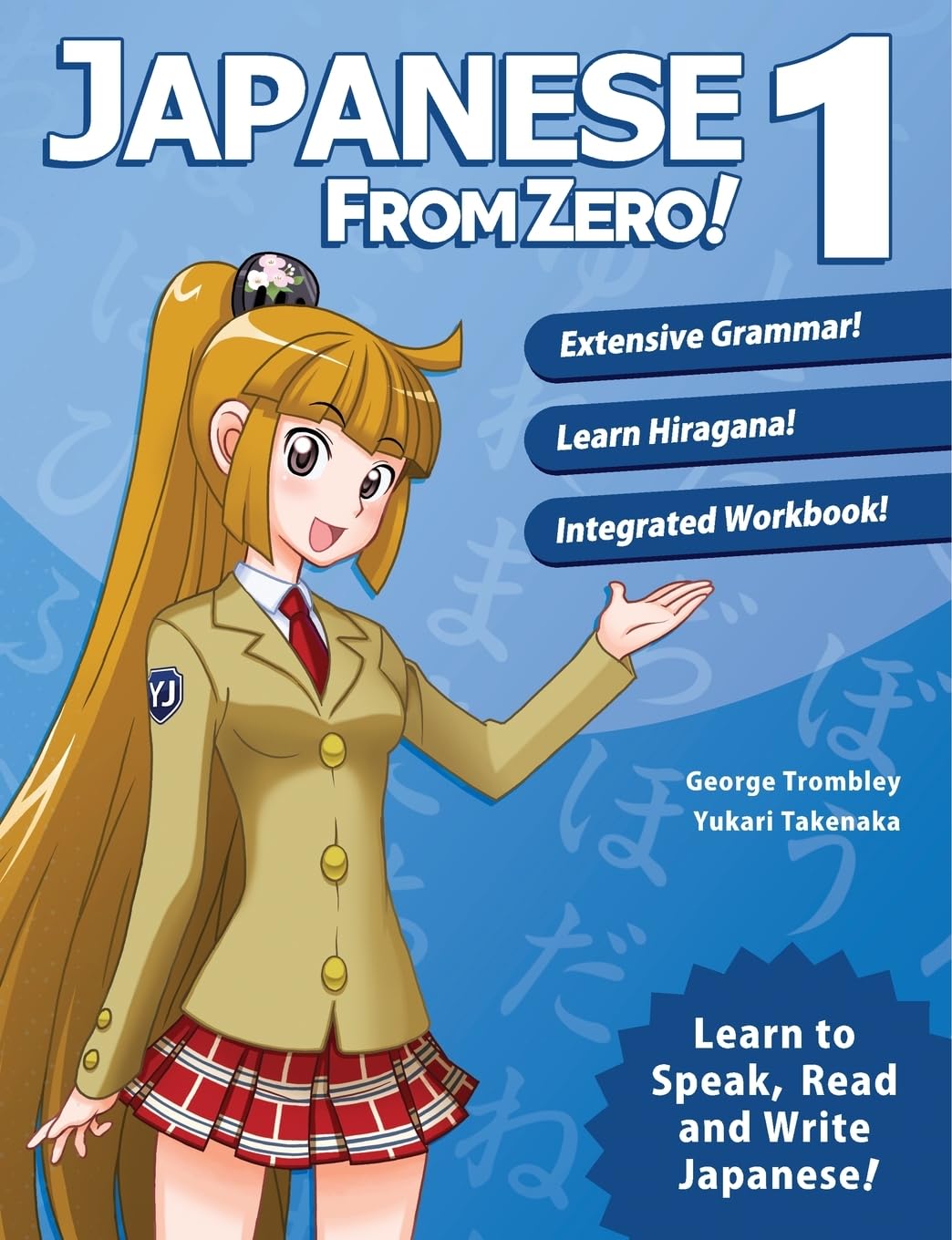
A super beginner-friendly series that eases you in gradually. Great if you've never studied Japanese before — no overwhelm, just steady progress. Covers hiragana, katakana, and basic grammar in a very digestible way.
View on Amazon →Below I'll share with you some of my favorite books to learn Japanese — whether you're just starting out or looking to level up.
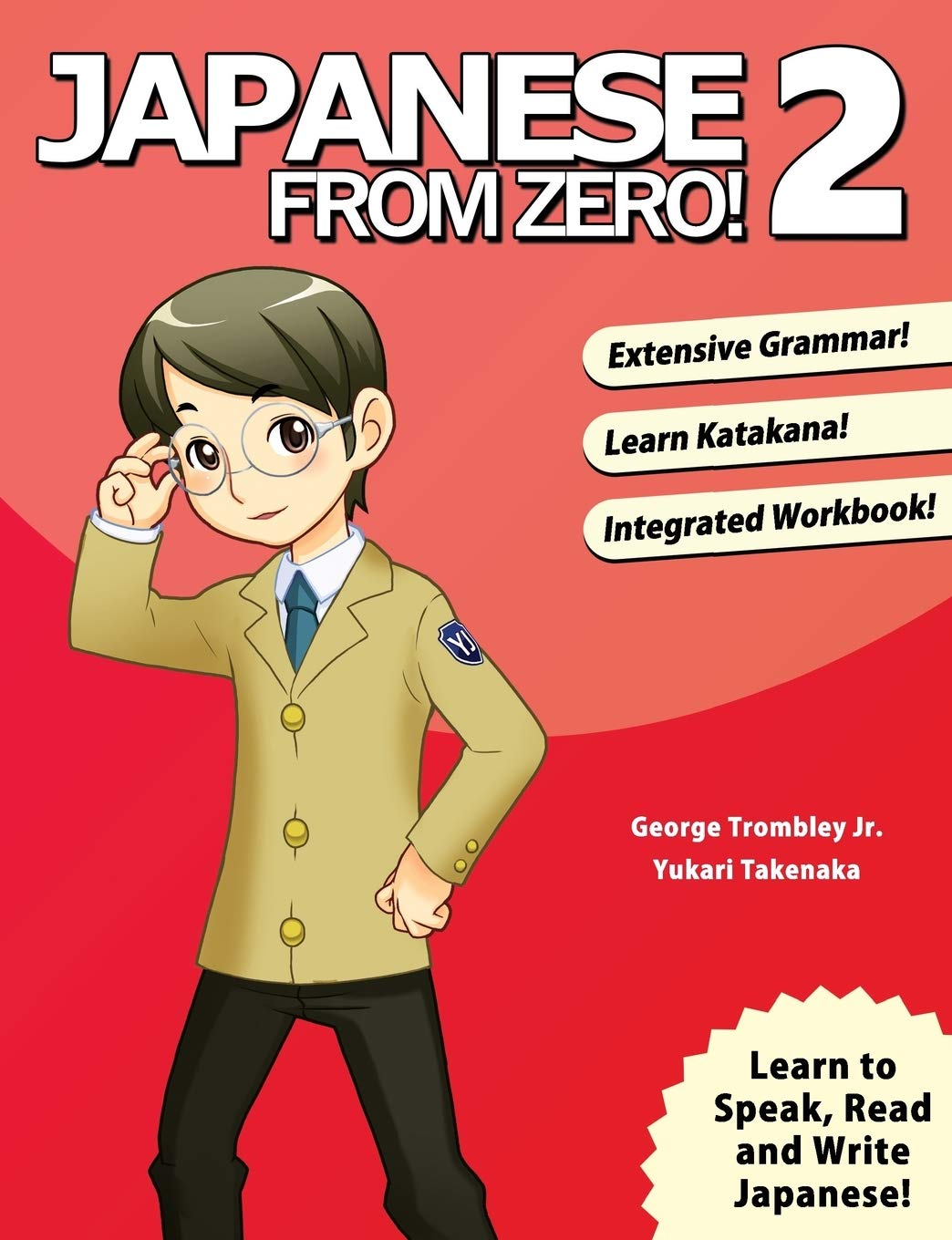
No single book covers everything. The approach that works best is combining a structured textbook with lighter reading material. Here is what I recommend for each stage.

A super beginner-friendly series that eases you in gradually. Great if you've never studied Japanese before — no overwhelm, just steady progress. Covers hiragana, katakana, and basic grammar in a very digestible way.
View on Amazon →
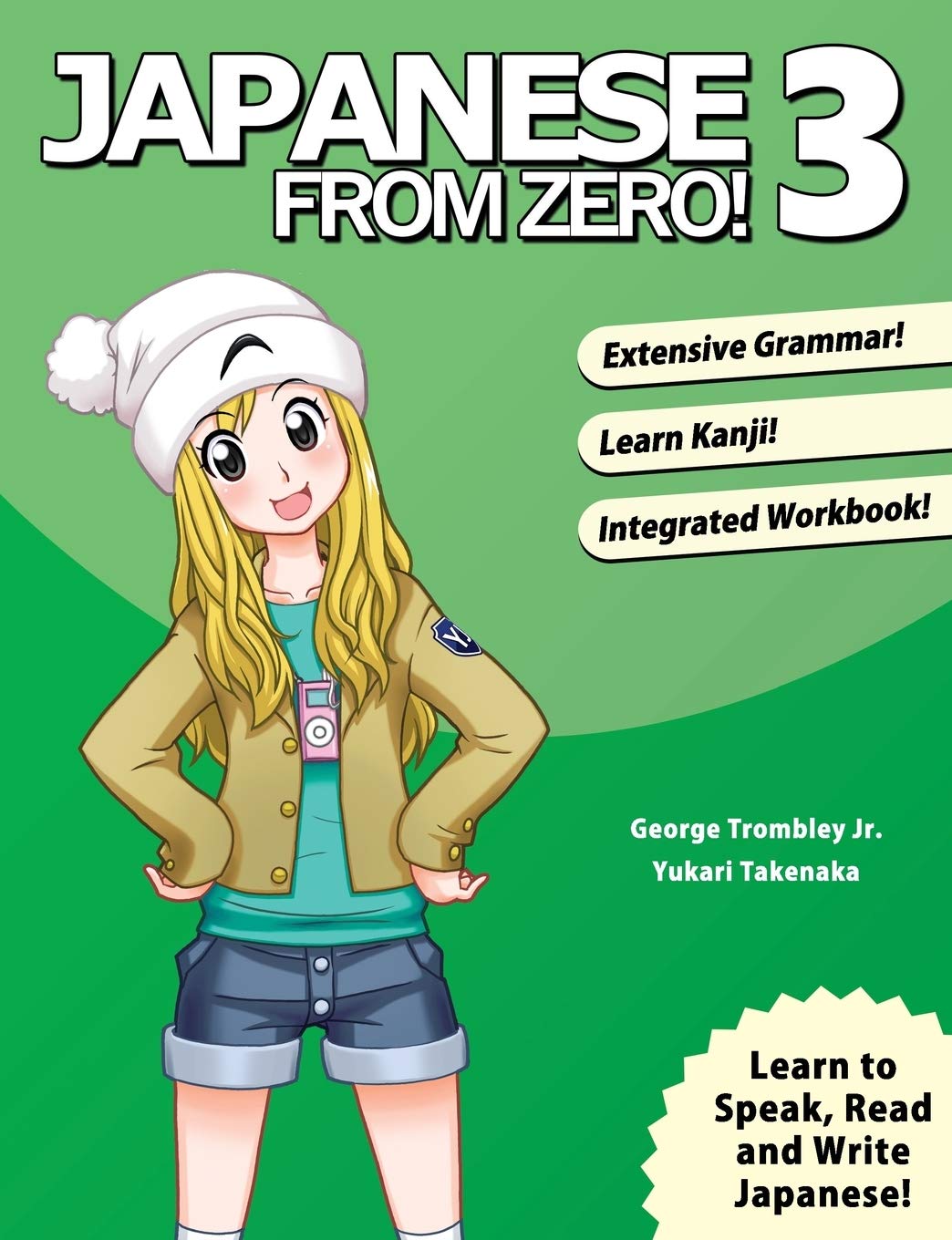
Picks up right where book 1 left off. Keeps the same friendly teaching style and builds your grammar and vocabulary steadily. A natural next step once you've got the basics down.
View on Amazon →
The third book in the series. By this point you're building real conversational ability. A solid intermediate step for anyone who's been working through the series.
View on Amazon →
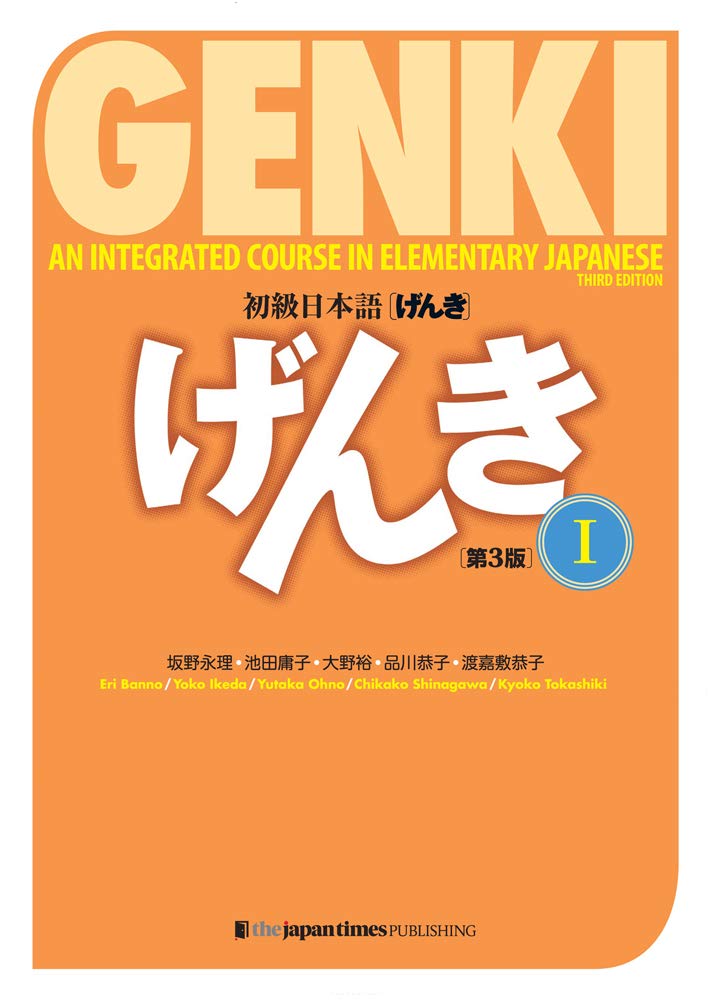
The most widely used Japanese textbook in universities worldwide. Structured, thorough, and covers all four skills. Works best with a study partner but is absolutely doable solo. The gold standard for a reason.
View on Amazon →
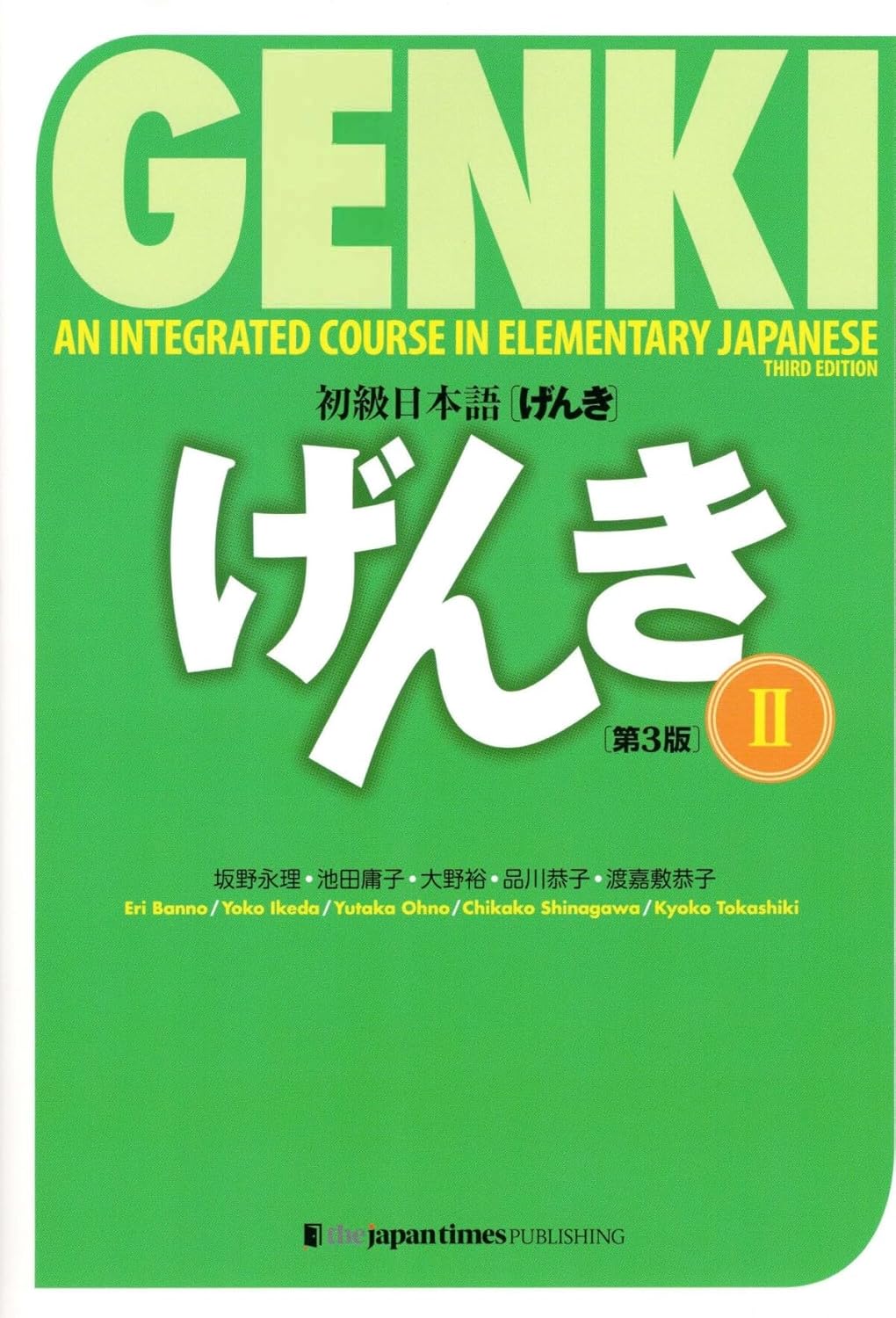
The continuation of Genki I, taking you into intermediate grammar territory. If you finish both Genki books you'll have a genuinely solid foundation that most learners would envy.
View on Amazon →
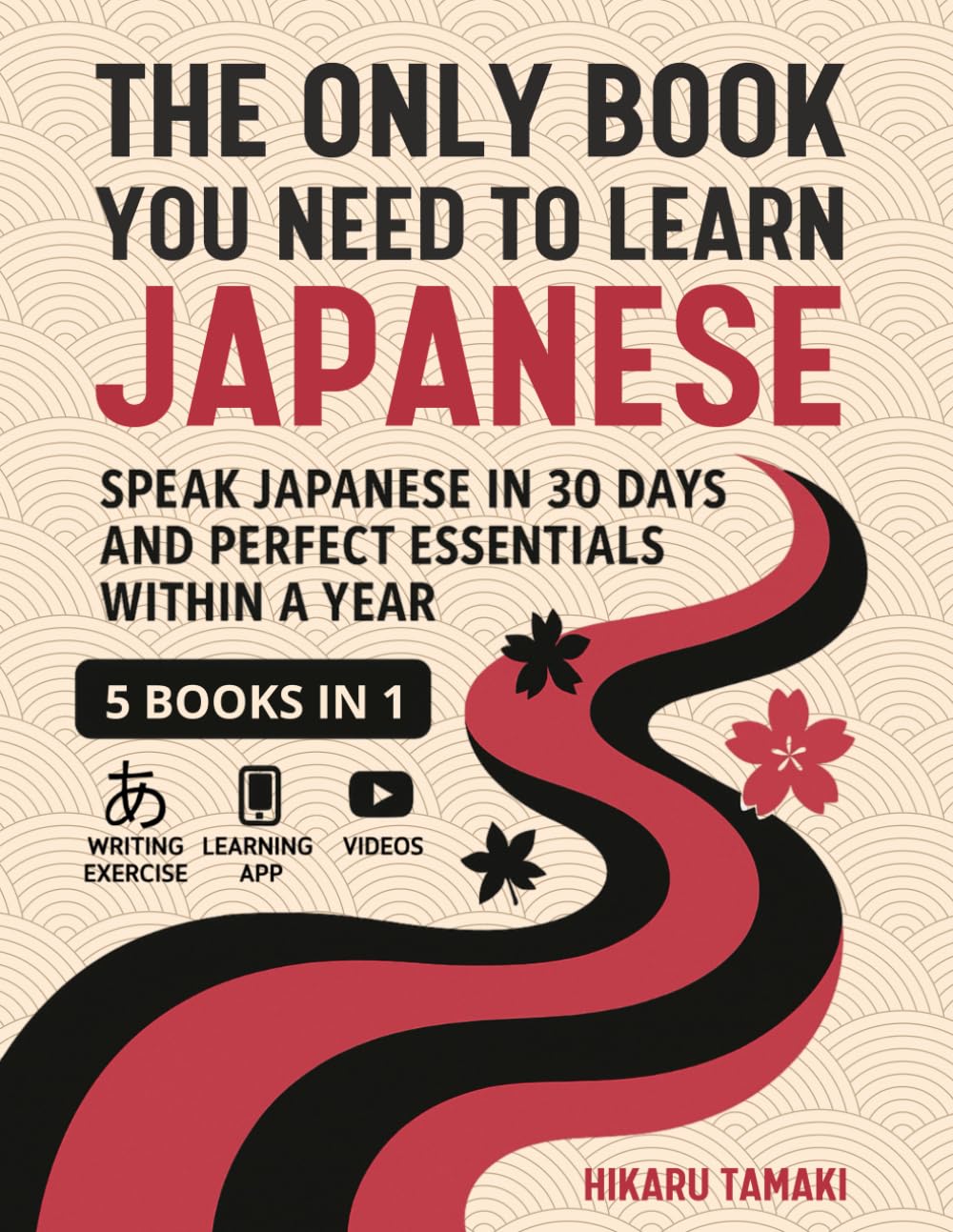
Does what it says on the tin — a comprehensive single-volume guide covering grammar, vocabulary, and reading. Good for self-studiers who want everything in one place without juggling multiple resources.
View on Amazon →
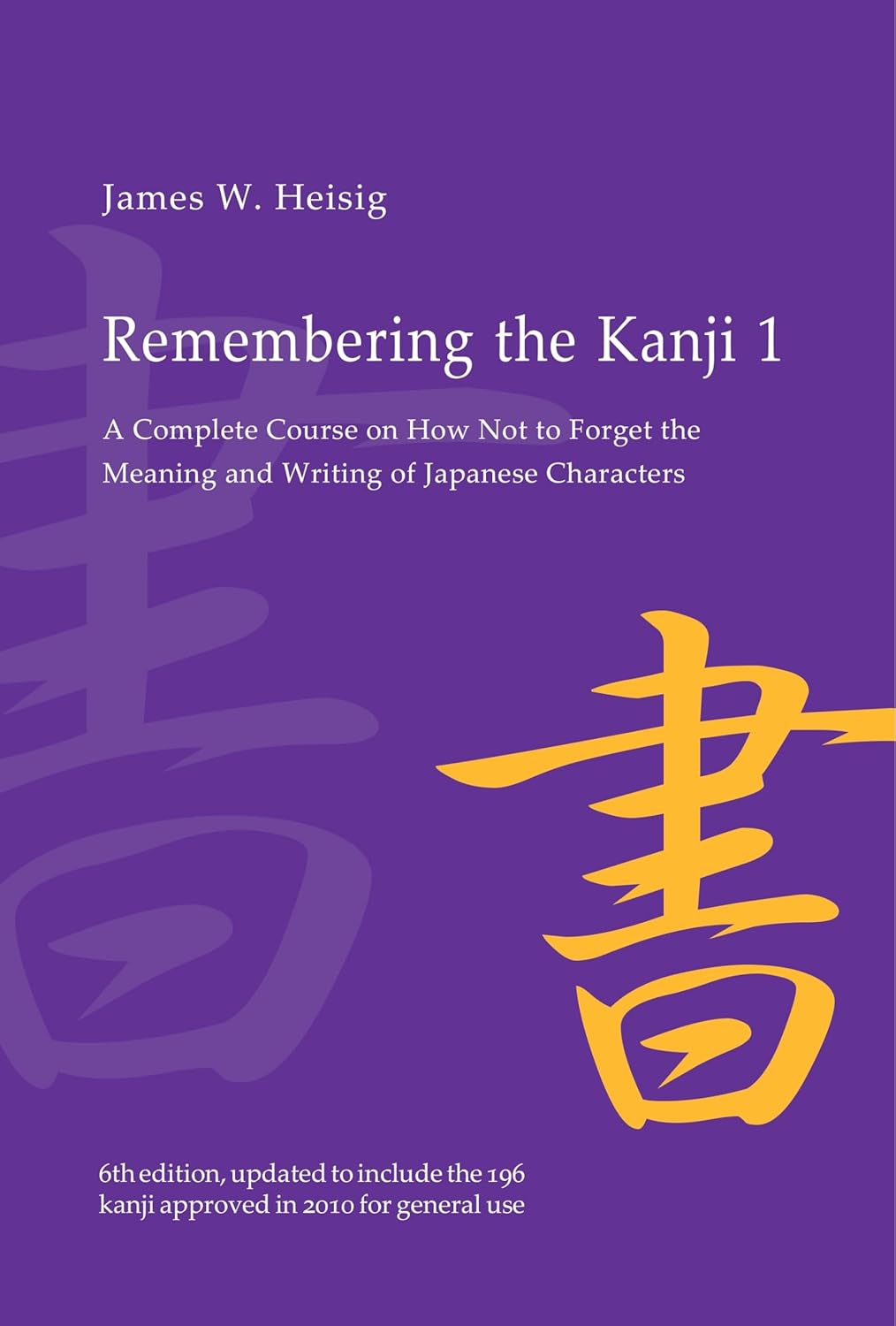
The classic method for learning to write and remember kanji using imaginative mnemonics. Controversial but very effective — many learners swear by it for getting all 2,000+ joyo kanji to stick. If you want to read Japanese properly, this is worth the effort.
View on Amazon →
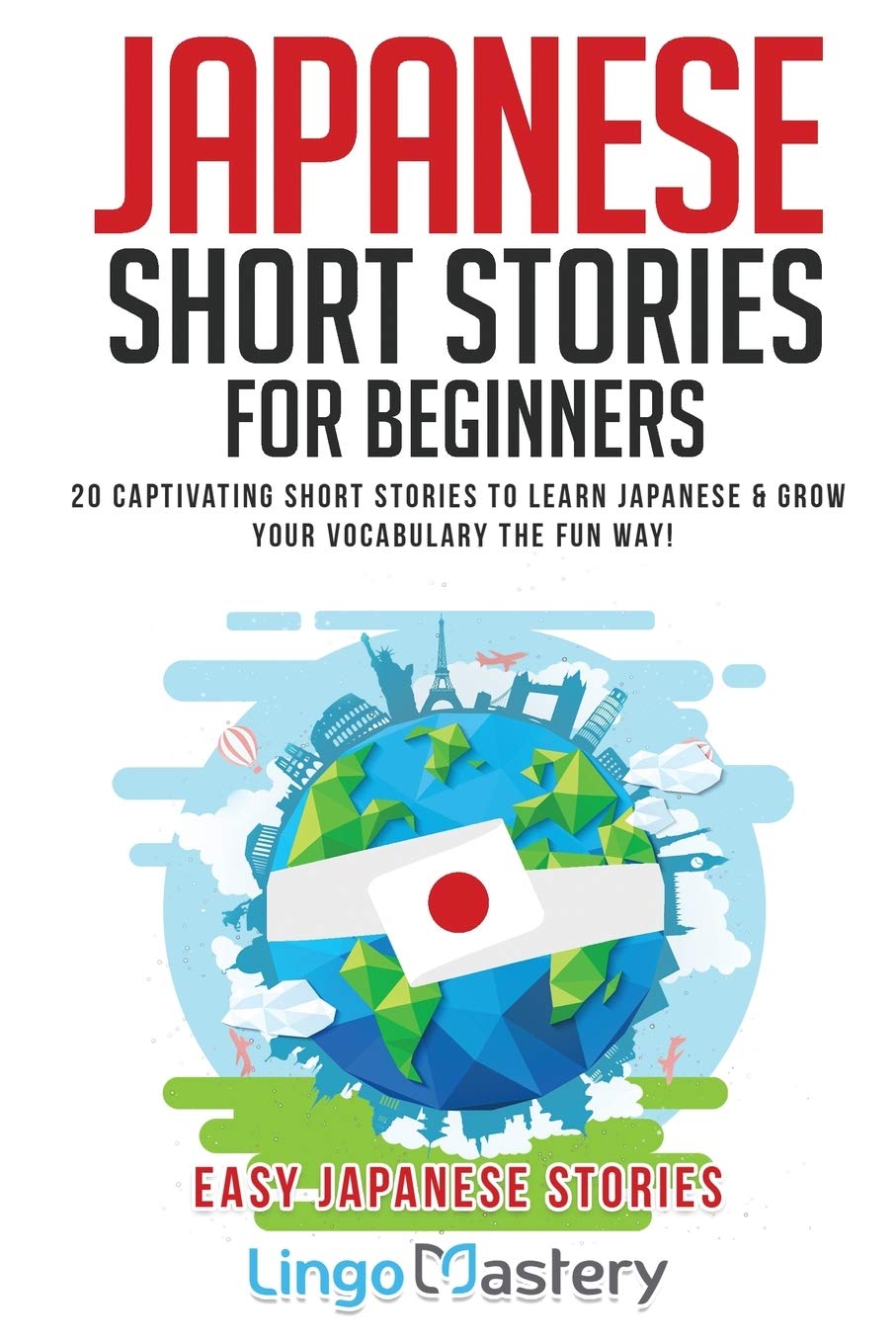
Eight short stories written for early learners, with vocabulary lists and comprehension questions. One of the best ways to go from "studying grammar" to actually reading real sentences. Highly recommended once you have hiragana and katakana down.
View on Amazon →
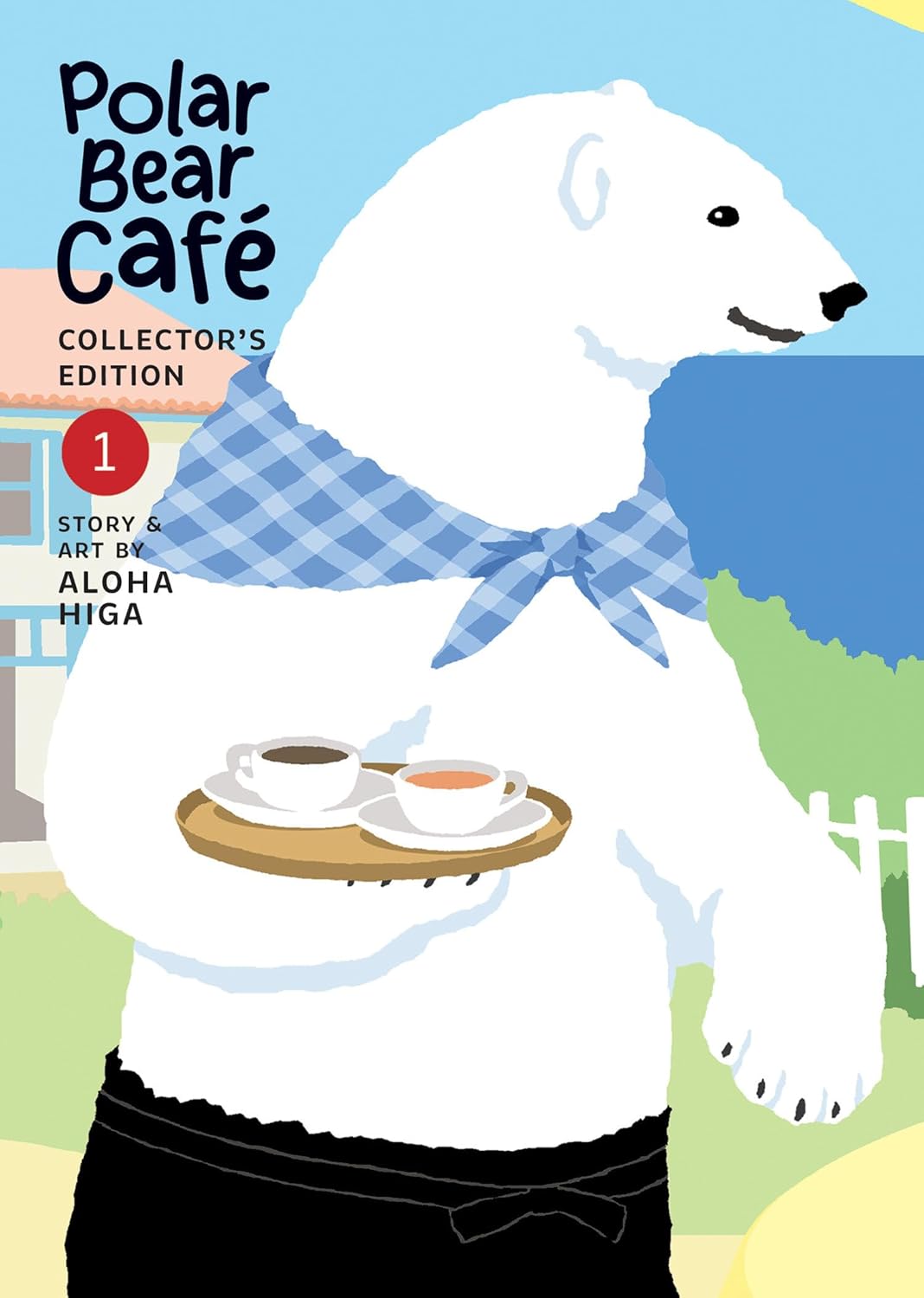
A wholesome manga with simple, natural dialogue. Easy enough for beginners to follow along and a genuinely fun read. Perfect for getting comfortable with real Japanese text without wanting to throw your dictionary out the window.
View on Amazon →